
KKHDoula - Doula Services
  • Home
  • About Me
  • Services
  • Blog
  • Resources
  • Shop
    • Gift Card
  • Contact

Collective Wisdom

A blog that aims to share ideas, information, and evidence-based topics to parents and professionals alike

Mother Blessing: Showering the Soon-to-Be Mother

10/19/2024

0 Comments

 
A group of women sitting in a circle around a mother. The women are a part of a mother blessing.
Showering the mother with gifts and nourishment is an alternative to the usual baby shower. Photo credit to Jorge Fernandez Salas
(Article originally written for Birthing Magazine Summer 2024. Edited by me, the author, to remove inadvertent insensitivity).
In our society, a baby shower is a common celebration that families and loved ones host for the parents-to-be. These parties typically involve a baby registry that guests can use as a gift giving guide, baby- or new parent-related games, food, advice, and typically a group of close friends and family to the parents-to-be. Some people absolutely love these parties and have the planning down to a science! Others find baby showers overwhelming, exhausting, and sometimes a little frustrating, especially if unsolicited advice or comments are being shared, or guests decide not to follow the carefully curated baby registry that parents spent hours building (“oh thank you, another 10 pack of onesies that we didn’t ask for and likely won’t use before baby grows out of them…!”). One mother I heard from explained that she doesn’t feel comfortable receiving gifts for the baby before the baby arrives. Another mother I spoke with echoed this sentiment, adding that in her culture, it is unheard of to buy items for the baby before they arrive.

This isn’t meant to sound ungrateful or cynical, as I think many parents appreciate the gesture of a baby shower. But I can also understand that some parents don’t feel comfortable asking their loved ones to buy gifts for them or their baby, especially if they’ve already had a baby shower. Some guests may shrink away to the food table or backyard when the games start. And others don’t really want to be in a room of people they don’t know for hours, making awkward small talk on topics they may not have a lot of understanding on but are at the shower to support the parents.

Does any of this strike a chord?

Despite how well-meaning these parties can be, some families opt out of baby showers for the above reasons. So, this begs the question: is there another meaningful way to celebrate and support the parents that doesn’t involve some of the downsides of a baby shower?

The answer is yes! And one of those meaningful ways is called a Mother Blessing.

I had never heard of a Mother Blessing before until recently, so I reached out to some of my friends and colleagues to ask them more about these celebrations.

What is a Mother Blessing?

A Mother Blessing is typically a prenatal gathering of the mother-to-be and their close friends and family where the focus is solely on the mother-to-be. Mother Blessings are usually held late in the third trimester (36-38 weeks). The Mother Blessing usually involves nourishment, pampering, a sharing circle, and other rituals to build confidence and put the mother-to-be at ease as she transitions into motherhood.

Please note: A Mother Blessing is inspired by Blessingway ceremonies held by the Navajo peoples. Blessingways are sacred rite of passage rituals only meant for the Navajo people. As such, the terms ‘Mother Blessing’ and ‘Blessingway’ should not be used interchangeably out of respect for the Navajo people and their culture and traditions.

What types of rituals can someone expect at a Mother Blessing?

Mother Blessings can be tailored to the mother's wants and needs as she transitions into motherhood. Here are some of the rituals you may see at a Mother Blessing:
  1. Nourishment: Those attending the Mother Blessing may bring a small snack to share with the group, potluck style. There may also be drinks such as flavoured water or herbal teas offered to nourish the bodies of those in attendance.
  2. Pampering: The mother is sometimes pampered by those closest to her throughout the Mother Blessing. Pampering may involve a flower crown crafted by the attendees, a massage (or many massages all over the body), soaks (feet, hands, or both), or other gestures of affection. These are some of the ways friends and family adore the mother, who may not be feeling beautiful where they’re at in their pregnancy.
  3. Creating a bracelet or necklace: Guests at the Mother Blessing may be asked to bring a few beads to contribute to the creation of a bracelet or necklace for the mother as a symbol of connection to those in attendance. The mother wears this necklace during labour, remembering the connection and all the well-wishes and blessings her loved ones gave them with the beads.
  4. Cutting the cord: Another symbol of connection between the mother and their loved ones is a cutting the cord ceremony. This is where guests wrap a long string (maybe from a ball of yarn) around their wrists, connecting themselves with the other guests and then finally the mother. As guests do this, they may wish positive things for the mother, such as strength, patience, joy, a safe birth, enough support postpartum, etc. The mother-to-be cuts the cord at the end, and the guests wear the string until baby arrives. A fellow doula colleague of mine who attended a Mother Blessing said that a string was tied around her ankle, and served as a symbol that she would walk with the mother through her journey.
  5. Belly casting: Some Mother Blessing ceremonies have the mother’s belly casted with non-toxic plaster. Once the cast dries, guests may draw or write meaningful words of wisdom on the cast for the mother to remember this season of their life.
  6. Belly art: Instead of casting, the mother may have guests draw or paint on their belly using henna or non-toxic paint.
  7. Affirmations: Some Mother Blessing ceremonies have the guests write words of wisdom or affirmations for the mother to take with them into labour. These affirmations may be clipped onto a string and hung up in the birth room for her reflect upon and inspire her during labour.
  8. Sharing of stories, wisdom, or wishes: The guests of the Mother Blessing may share stories, wisdom, or wishes for the mother either at some point in the gathering or throughout the gathering. These stories can inspire strength, courage, peace, or ease through the labour and birth experience. Some mothers encourage the guests to write words of wisdom on cards and, like the affirmations, these cards can be hung around the birth room to inspire her through her labour.
  9. Lighting the way during labour: Party favours aren’t typically given to the guest of a Mother Blessing. However, candles may be distributed at the Mother Blessing gathering to the guests instead. When the mother begins her labour, she may want to share this news with the loved ones that attended the Mother Blessing so that they can light a candle throughout the time of the labour. This acts to “light the way” for baby to come earthside.
While this is not an exhaustive list, these are many of the main rituals that are celebrated during Mother Blessings. Also, the mother and the guests of the Mother Blessing typically sit in a circle either throughout or partially through the gathering. Circles are symbolic in many cultures, representing concepts such as unity, wholeness, and the life cycle.

Is a Mother Blessing only for new mothers?

Not at all! Mother Blessings can be for first time moms or fifth time moms, whether the mother is birthing their child themselves, or through a surrogate or adoption. The idea is to celebrate and shower the mother with support, strength, and love.

Mother Blessing gatherings are an excellent alternative to the conventional baby shower and are a beautiful way to honour a person as they transition into their motherhood role. As one mother explained to me, “The quality of time spend was much more purposeful to my journey into parenthood, connecting the relationship with my girlfriends.”

I hope the information in this article is helpful to you or a mother in your life who may want to celebrate in a unique way.

All the best in your motherhood journey, no matter how you choose to honour it!

Krista, KKH Doula
0 Comments

Meeting Everyone’s Needs: The Careful Balancing Act of Caring for Your Sick Children While Working from Home

1/24/2024

0 Comments

 
Picture
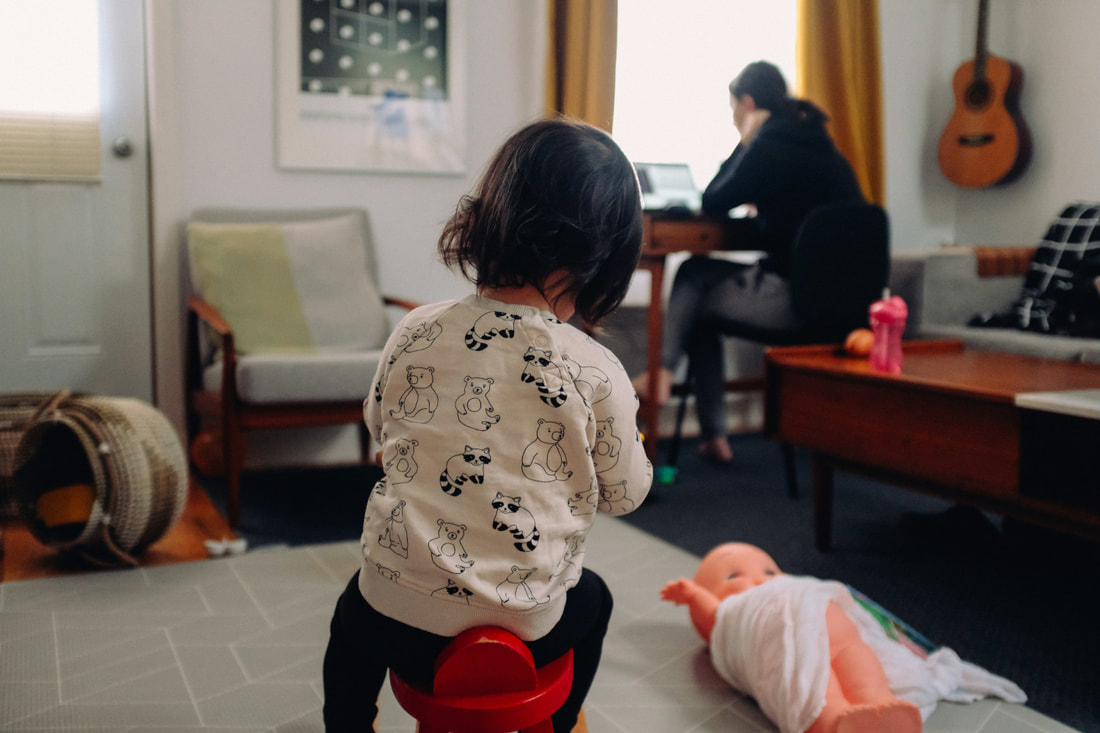
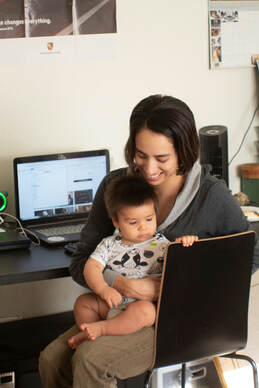
Parents everywhere will attest to how crazy home life with children can be. It is normal for most children to often need attention and engagement from their caregivers, siblings, or friends. At the best of times, this constant stimulation can be exhausting for a parent. When children are sick, it is typical for them to need their loved ones more than usual... demanding snuggles, mind-numbing television, and contact naps.

To be honest, I can think of worse scenarios. My littlest one is growing up faster than I like, and the cuddles and contact naps are becoming less with each passing day... As a parent who works full time with a job that involves crisis intervention and time-sensitive tasks, I am often taking phone calls that
deal with emergency situations. Taking these calls and interrupting Cocomelon snuggle time is a recipe for disaster for everyone. Too often have I had to try to think on the spot and give directives to my staff, while having a little one scream-crying that I have broken contact with them to—Heaven forbid-- work.

Is this striking a chord for anyone else? So what can a parent do if they are working from home while also trying to manage a sick little one?

I returned from my maternity leave while many of the COVID restrictions were still in place. My daughter had just started daycare, my step boys started to attend school more regularly, and I was still working from home as my physical office building was closed. The daycare and school at that time had
very strict protocols around children showing any COVID symptoms needing to isolate for up to 10 days. Those early days after my return from work involved a lot of juggling work and taking care of sick children. Never mind that I, too, was contracting everything that was being brought home by my 3 kids.

I did a lot of learning around how to make everyone (mostly) happy through trial and error during these days. Here are some tips on how to make these days go as smoothly as possible for everyone:
Picture
Planning ahead:

- If you are a new parent or returning to work from a parental leave, see about having a return-to-work discussion with your supervisor or Human Resources department before returning to work. In this discussion, you can talk about the reality of your (new) situation and what it will mean for you as a parent and as an employee. Strategize accommodation for when you inevitably have to be home when a child becomes sick. This accommodation can include working from home, adjusting certain tasks or your role, or making up lost hours at a different time when your child isn’t home sick.

- Talk to parents, relatives, friends, and professional caregivers who are comfortable with helping your sick child even for short periods of the day. Their presence can distract them and take some of the stress off of your shoulders if you are able to work from home. Or, if you can’t work from home, you can rest assured that your child is in good hands with a trusted caregiver.

Setting expectations:

- For children: Explain to your children in age-appropriate ways that you need to continue to work when they are home sick. Explanations such as, “I need to keep working so that I can pay for toys/rent/dance lessons/etc” can be helpful for children to understand why a parent’s work day doesn’t stop when a child is sick. Set reasonable expectations for your children around time spent with you and time spent alone while you are working. Remember that older children will understand set expectations easier than younger children, and younger children may physically need you more than older children.

- For yourself: Set reasonable expectations for yourself, too! Not many parents can give 100% of their usual output with children around, let alone sick children who need their parents more often than normal. If you can, move some tasks around to allow for breaks where you can spend time with your children so that they aren’t feeling lonely. Talk about what the work day looks like, and be prepared (and patient) to give reminders (“Remember that I have to make a call for work soon, but after that I will play with you.”).

- For everyone: Remember how you feel and what you need when you are sick and empathize with your children during this time. Many people have low energy, low focus, want to graze on simple foods (if they have an appetite at all), and need comfort, fluids, and rest when feeling unwell. Remember that children likely want and need the same things as you when they’re sick. Try to loosen up on some of the typical rules and expectations; you can get back on track once everyone is feeling healthier.

Keeping children occupied:

- One way to make the situation of being home sick more fun is to have a special box of activities and toys that only come out during these days. You can include quiet activities that children can engage in that don’t require a lot of concentration such as colouring books, picture or easy-to-read books, fidget or other sensory toys, plush toys to cuddle, etc. Try involving your children in the creation of their special boxes ahead of time when they’re feeling well.

- Have a tablet or TV set up, charged, and available to watch movies or shows. This is especially helpful for when you need to make and take phone calls or meetings that you can’t reschedule. Incorporate breaks from screens by also taking breaks and being with your children.

Other considerations:

- Try to plan meetings or important phone calls around nap and quiet times. I did this a lot when my youngest was sick and it worked extremely well for both of us! I was way less stressed about needing to split my attention between her and work knowing that a good stretch of uninterrupted work time was imminent.

- Don’t be afraid to ask for help! This can be asking for someone to help occupy your child (even for a couple of hours) while you focus on work or talking to your supervisor about the situation and asking for what you need to help things go smoother.

- If you have a partner who can also work from home, split up your days and work as a team to take care of your children, your workday, and yourselves. This can be helpful and less disruptive for the sick child if one parent needs to quickly run an errand.

- Have go-to snacks readily available for your children (and you!). Snacks such as crackers, low-maintenance fruits (berries, bananas, apples, or grapes) and vegetables (bell peppers, carrot sticks), juice boxes, and yogurt tubes are easy to give to your children when you’re trying to focus on work.

- Breaks are helpful to everyone. If the weather is nice, consider going for a short walk or even sitting outside. Sunlight, fresh air, and exercise is healing in so many ways!

The early days of taking care of children when they’re sick may seem daunting and stressful if you are a parent needing to work. Planning ahead by having conversations with personal and work relations, preparing activities and schedules ahead of time, and talking about the expectations and realities of working from home with your children will help everyone to have an easier time with adjusting to the situation.

Best of luck and gentle hugs. You got this!

All the best,

Krista, KKH Postpartum Doula

0 Comments

How to Build a Meaningful Support Network After Baby Arrives

3/12/2023

0 Comments

 
Women making hearts with their hands in a field
Parents of new babies can all agree that the postpartum period is nothing to scoff at. There are so many adjustments that parents and babies go through in the first couple of months that can make the postpartum period challenging, such as sleep disturbances, seemingly constant hunger (for the baby but also for a breastfeeding parent!), and not having time to tend to yourself, other members of your family, or your home. These adjustments can be extremely challenging (and I would argue impossible) for one or two people alone, especially if one parent needs to work, and are even more taxing when parents are not surrounded by their typical "village." This is why creating a meaningful support network is an imperative step in the postpartum planning process.

Types of Support

There are many types of support that will really benefit parents as they navigate this new chapter of their lives:
  • Friends, family, and coworkers: this is usually the easiest and most accessible type of support a family can include in their network. Sometimes, though, these individuals are not physically accessible due to recently moving or missing/strained relationships.
  • General Practitioner/Family Doctor/Pediatrician: for each of the parents and the baby/babies. This is a consistent support who will be familiar with your or your baby's health history through the years, and this will ensure consistent continuity of care. Parents can also consider a pediatrician for their babies and children.
  • Midwife or OB/GYN doctor: if the birthing parent is still pregnant, a specific midwife (or midwife team) or OB/GYN (obstetrician/gynecological) doctor is a great support for the family during pregnancy. Many midwives or OB/GYNs will do a check ups after baby is born for at least a couple of weeks.
  • Paramedical practitioners: This includes massage therapists, chiropractors, physiotherapists, acupuncturists, podiatrists, psychologists, naturopaths, clinical counsellors, etc. These are great professionals to have in your corner to ensure your good health is maintained pre- and post- natally.
  • Doulas: doulas offer non-medical, neutral support to families. Types of doulas include: birth, postpartum, bereavement, end of life, and others.
  • Parent groups/clubs: parent groups can be in-person and online. In-person supports will likely be more beneficial and practical in the postpartum period, as parents can visit, go for walks, or help new parents.
  • Faith/(ethnic) community groups: similar to parent groups described above, faith or community groups offer a strong, long-lasting support to families.
  • Resource hubs: resource hubs can be a great resource for parents who need extra education around a particular area. Resources can be individual- or family-specific. These hubs may have programs within the organization or the hub may refer parents to the appropriate resource.
  • Crisis centres: sometimes parents are faced with crisis (emotional, physical, financial) and need immediate help. A crisis centre can provide immediate, short-term help in these situations.

Where to Find Support

Where to access these supports largely depends on where you live and, to a smaller degree, your income or work benefits. There are many ways to find the above listed resources in and around Calgary:
  • Doing an internet search for 'family doctors accepting new patients.'* There are websites that provide lists of doctors and their contact information. You can schedule a meet and greet with a doctor beforehand to ensure they are a good match for you, for family, or your child. *You can also search for 'midwives,' 'pediatricians,' etc.
  • Moss Postpartum House offers many paramedical services to postpartum parents. The physical office is located in West Hillhurst but some services are offered over the phone or online.
  • DoulaMatch.net is an online registry of doulas from Canada and the USA. Parents can put in their location and support preferences and find doulas that match their needs (I am also accepting postpartum clients and offer a comprehensive postpartum planning package. Send me an email if this is of interest to you!).
  • Mommy Connections YYC is a great place to meet up with other parents in and around Calgary! They offer groups for moms and babies or tots, workshops, classes, and other events as a means of connecting with other parents.
  • Families Matter is a resource hub that offers supports for moms and dads, both pre- and post- natally. Their support includes workshops, children's groups, parent groups, perinatal mental health supports, and so much more. The best part? These resources are free!
  • FearIsNotLove (previously the Calgary Women's Emergency Shelter) offers emergency shelter for women (and their children) experiencing abuse and programs to educate families about abuse and what to do about it. Their main focus is to promote healthy family relationships.
  • Joining a local church or being a member of a community association is a great way to meet other members of your community!
Please note: There are so many amazing resources for families in Calgary alone that this list is not comprehensive, but will give parents a good idea on how they may start their search.
Under ideal circumstances, a family would start planning for the postpartum period before the baby arrives. However, sometimes that is not always feasible, or the plans a family did have in place needed to change due to events that are beyond the parent's control. Creating a support network is beneficial at any stage in the parenting journey. The most important thing to remember is that there is no shame in asking for help, even temporarily, to ensure that your needs and the needs of your family and home life are met.

If you have any questions or think I may be someone that you would want on your team, please feel free to reach out! I would love to hear from you!

All the best,

Krista, KKH Postpartum Doula

0 Comments

What is a Postpartum Doula and Why Do They Matter?

2/26/2023

0 Comments

 
Two pairs of hands hold a newborn baby for support
A woman holds a newborn baby in her arms
A lot of people I've talked to about my recent training as a postpartum doula look at me with a mix of excitement and hesitancy. "It's great that you're a postpartum doula! ... but, what exactly is a postpartum doula?"

The lack of understanding is not lost on me. When I was talking to my husband about how I enrolled in my postpartum training and later when we were talking about my doula business, he admitted that he didn't know what a postpartum doula was until I explained it to him. Truth be told, I didn't know what they were either until I was about 9 months postpartum with my daughter and the role was first introduced to me. Given how rough the latter part of my maternity leave was, I wished that I had known about postpartum doulas sooner.

There are families from a variety of cultural backgrounds that I've read about and spoken to about postpartum help that seem shocked at the prospect of parents not having help after a baby arrived. Postpartum support is built into the fabric of these cultures. Family members, community members, and  (grand)parents all help new parents in their respective ways. Their support ensures that the birthing person especially gets much needed rest, nourishment, and nurturing to replenish what was lost after giving birth.

There are many families who immigrate to countries such as Canada who find themselves blindsided at the lack of support after baby arrives. Sometimes, these new parents have family members come from their home country to support them for some time in the postpartum period. Other times, this cannot happen, such as during the COVID19 pandemic and airports were shut down. This is where additional supports, such as those from a postpartum doula, are so important.


The term 'doula' is Greek for "a woman who serves." Postpartum doulas are individuals (usually women) who help or 'serve' parents in the fourth trimester (the first 12 weeks after a baby arrives). Most postpartum doulas are trained by recognized doula trainers. This helps to ensure that support given to families is done in a professional, uniform, and non-biased way. Even though postpartum doulas are trained professionals, they are not medical professionals.

The help a postpartum doula offers is temporary while parents adjust to their new family dynamic. This can be especially appreciated when supports are limited, there are older siblings, or the parents had multiples (twins, triplets, etc). The support can be practical or emotional in nature and can include:


  • feeding support for the parents (breast/bottle/chest): many postpartum doulas are trained in breastfeeding support and can assist breastfeeding parents in this area. Postpartum doulas can help to build on skills or suggest other strategies to make sure the breastfeeding parent feel confident.
  • sleeping support for the parents (as adjusting to a baby can be quite disruptive to everyone's sleep): postpartum doulas will take over caring for the baby and any other children so that the parents can get some well-deserved sleep. This type of support can include overnight support (where the doula stays with the baby at night and only wakes the parents during feedings) or short respite by taking the baby and any other children (sometimes even fur children!) out while the parents catch up on rest.
  • light housekeeping tasks: this can include washing dishes, washing/folding clothes, sweeping, tidying, washing bottles, etc. and is done so that parents can focus on their new addition.
  • cooking and meal preparation: some postpartum doulas enjoy helping with any cooking or meal preparation. This can include making big batches of the family's favourite meals and portioning the meals out to make life easier on hectic days.
  • babywearing: many postpartum doulas can teach parents who don't already know how to babywear using a carrier, sling, or wrap. This skill is so useful as it can give parents more freedom and flexibility around their days.
  • family member adjustment: family members, such as other children, may need help adjusting to the new family dynamic. A postpartum doula can help in this area by modelling and including them in tasks that help both the parents and the new baby.
  • teaching through modelling: many postpartum doulas are trained by a reputable doula trainer in accordance to their affiliated organization's guidelines (DONA and CAPPA are examples). Postpartum doulas trained in this way are taught everything they need to know to support families and can model skills and best practices with the families they support. New parents may need to be shown how to change a diaper, swaddle a baby, breastfeed, bathe a baby, prepare a sitz bath, and soothe a newborn, and a postpartum doula can help with these skills and more.
  • providing evidence-based information and resources: postpartum doulas are also trained to give evidence-based information (backed by reputable scientific sources and not anecdotal) to the families they support. If there is information or help that is not within a postpartum doula's scope of practice, they will refer families to the proper professionals.
  • accompany parents to appointments (medical or otherwise): most postpartum doulas will support parents by accompanying them to appointments or classes if they aren't feeling comfortable to go alone. This can really help to put parents at ease and also help parents get all of the correct information.
  • nurture the family: many of the points above are examples of how postpartum doulas nurture a family. However, many postpartum doulas add their own special touch to the service they provide depending on their personal experience and expertise. Some postpartum doulas may know how to give an amazing foot rub (and maybe could teach the partner how to do it after their service ends!), while others may have training in postpartum nutrition. Each postpartum doula have unique gifts to offer a family.
  • listen and offer emotional support: sometimes a birth, adoption, or surrogacy experience needs to be talked about, and postpartum doulas are non-biased, neutral, and safe people to talk to about your experience.
  • support with postpartum healing: postpartum doulas can be additional support while a birthing person heals from giving birth. If a birthing person is on bed rest following a birth, a postpartum doula can help with various tasks until the birthing person is healed. Remember though: any medical support is beyond a postpartum doula's scope of practice (unless the doula is also trained as a nurse).
The ways a postpartum doula can help a family in the postpartum period are vast and also curated to what each family needs. The above list is by no means exhaustive, but I hope paints a picture of what all I-- and other postpartum doulas-- can do to support a family during this special time.

If you have any other questions about postpartum doulas, or are interested in meeting with me to see if my services are a match for your family, please don't hesitate to reach out!

All the best,
Krista, KKH Postpartum Doula
0 Comments

Important Questions to Ask a Postpartum Doula (Before Hiring Them)

2/16/2023

0 Comments

 
Two women having their inital consultation for a postpartum doula
Hiring a postpartum doula can be a big investment for a family, especially a family that is in need of help ASAP. It is so important to know that your choice in hiring a doula is the right one.

Postpartum doulas are individuals who help families in the fourth trimester (the first 12 weeks after giving birth or welcoming a baby into the family), during the postpartum period. Trained postpartum doulas oftentimes have evidence-based knowledge, experience, resources, and are unbiased in their approaches to support and care. Postpartum doulas are not medical professionals; they are, however, professionals trained in emotional, physical, and practical postpartum care.

Postpartum doulas can be hired in advance-- before baby comes-- or may also be considered when parents are in the thick of it and struggling with all of the additional duties that come with a new addition to the family. No matter which camp you or a loved one may be in, having a list of questions and considerations to ask a postpartum doula before committing to signing a contract is key.

Below are some questions you can ask a postpartum doula:
  • What experience do you have supporting families (with multiples/disabilities/complex needs etc.)? Adoptive/blended/surrogate families?
  • What different types of services do you offer? In person or virtual support?
  • When do your services begin postpartum? Can start dates be flexible (in case baby arrives earlier or later than expected)?
  • What services are included in your fees? (If you have a specific need in mind, ask it here!)
  • What is your experience in breastfeeding support?
  • What relevant/supplementary training do you have?
  • Do you have current CPR training?
  • How long have you been a doula?
  • What are some of your hobbies/interests/passions?
  • Why did you want to become a postpartum doula?
  • What are my options for when you are not available (due to illness, personal reasons, or unforeseen circumstances)? Do you work with other postpartum doulas who can help in these situations?
  • Do you have a refund policy?
  • Do you have a minimum time obligation for your services?
  • What are your fees? Do they vary depending on day or overnight support? Do you have any deals/packages?
  • Can you provide references?
  • Are you comfortable supporting _______? (LGTBQ+ families, specific choices around intended parenting styles, families of specific religious backgrounds, etc.)

There are so many other great questions to ask a postpartum doula around a family's specific circumstances, so don't let this list limit you. Answers to these questions can provide parents with the confidence they need to move forward with hiring the right postpartum doula for their family's needs
Other tips of note before hiring a doula:
  • Many postpartum doulas offer free initial consultations. Take advantage of these meetings and meet with a few postpartum doulas before making your decision.
  • Many postpartum doulas who have their own website may have the answers to the above questions listed there. Parents can do their research ahead of time and devote the time in the initial consultation for the questions that weren't answered on the website.
  • Some postpartum doulas have a social media presence. Parents can check out social media pages to see if the postpartum doula's personality, priorities, and outlooks are a good match with theirs. to take the next step and interview a postpartum doula?

I hope that these questions and tips help you (and your partner, if relevant) feel ready and confident to take that next step towards hiring a postpartum doula!
All the best,
- Krista, KKH Postpartum Doula
Back  
0 Comments

    Author

    Krista Kirkpatrick-Hatch, BA Psyc (Hons.) is a Postpartum Doula in Calgary, AB, Canada

    Archives

    October 2024
    January 2024
    March 2023
    February 2023

    Categories

    All
    Education
    Planning
    Postpartum Doula
    Postpartum Support
    Resources

    RSS Feed

Powered by Create your own unique website with customizable templates.
  • Home
  • About Me
  • Services
  • Blog
  • Resources
  • Shop
    • Gift Card
  • Contact